Name generator
Dinosaur Name Generator
Explore 89 distinct Dinosaur names from this guide. Explore real dinosaur names and creative toy nicknames in their own themed groups. Choose a category or letter to narrow your results, then copy or save your favorites.
Showing 15 of 89 matching Dinosaur names.
Results use different initials when available. Counts reflect the names in this guide; some letters and categories naturally have fewer matches. Letters without matches are hidden.
- Tyrannosaurus rex
Tyrant lizard king
- Utahraptor
- Nodosaurus
- Longneck Lou
- Stegosaurus
Roof lizard
- Gallimimus
- Brachiosaurus
Arm lizard
- Parasaurolophus
Near-crested lizard
- Qianzhousaurus
- Yutyrannus
- Velociraptor
Swift robber
- Jobaria
- Xixiasaurus
- Fern
- Ankylosaurus
Fused lizard
Scientific dinosaur names and creative toy nicknames appear in separate article groups. Read the guide for classification and pronunciation. View your shortlist
From Tyrannosaurus rex to Triceratops, dinosaur names can tell you something about an animal’s teeth, horns, size, or discovery. Some sound fierce, others are surprisingly elegant, and many come from Greek or Latin words. Whether you are helping a child learn prehistoric animals, preparing a school project, or naming a dinosaur toy, it helps to know which names belong to real dinosaurs and what they mean.
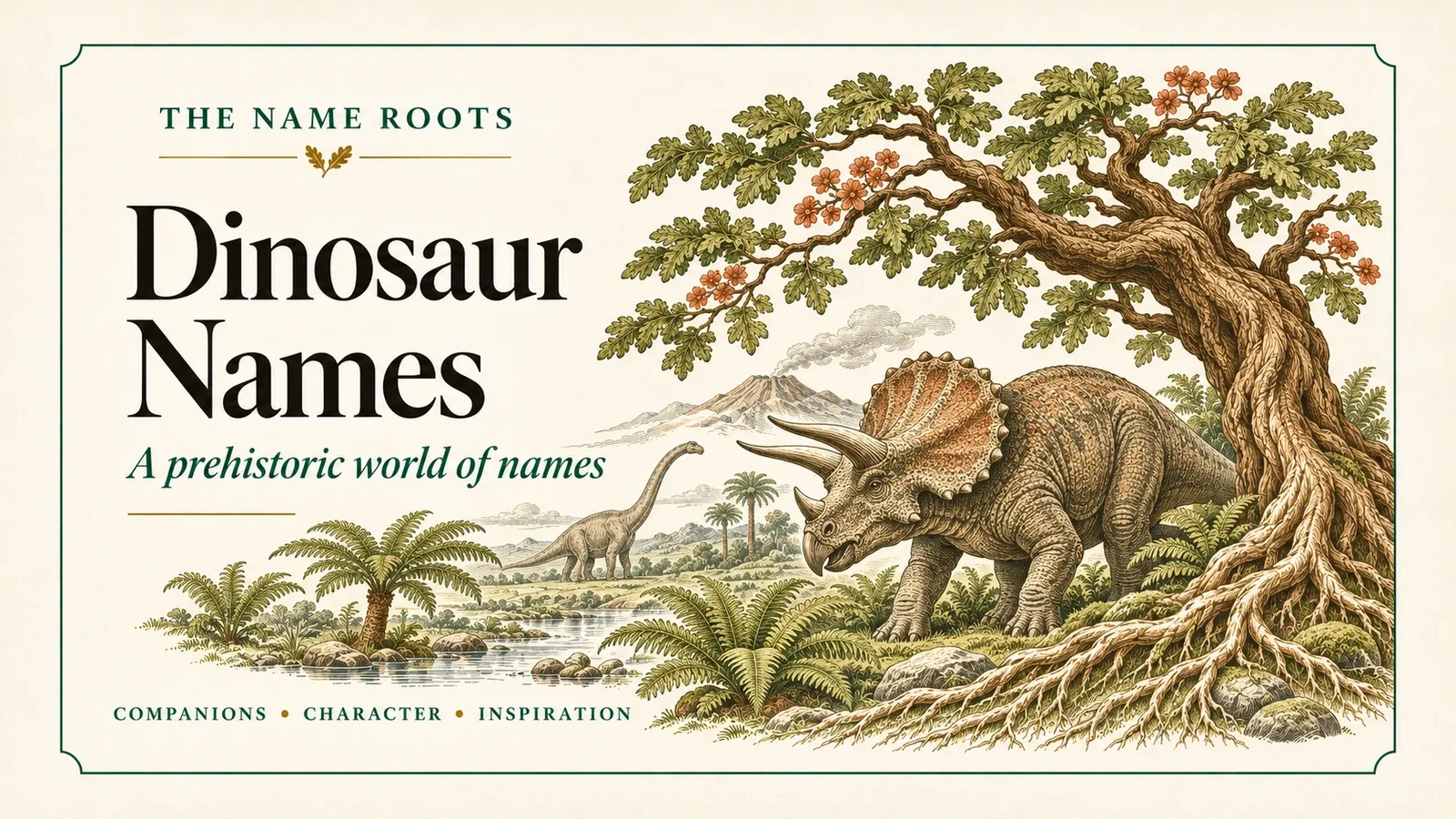
This guide brings together famous dinosaur names, an easy-to-scan A–Z list, meat-eating and plant-eating dinosaurs, long-necked giants, and lesser-known favorites. It also explains how scientists name dinosaurs and why creatures such as Pteranodon and Mosasaurus do not belong on a scientific dinosaur list. The pictures are imaginative reconstructions, while the names and classifications are based on museum resources.
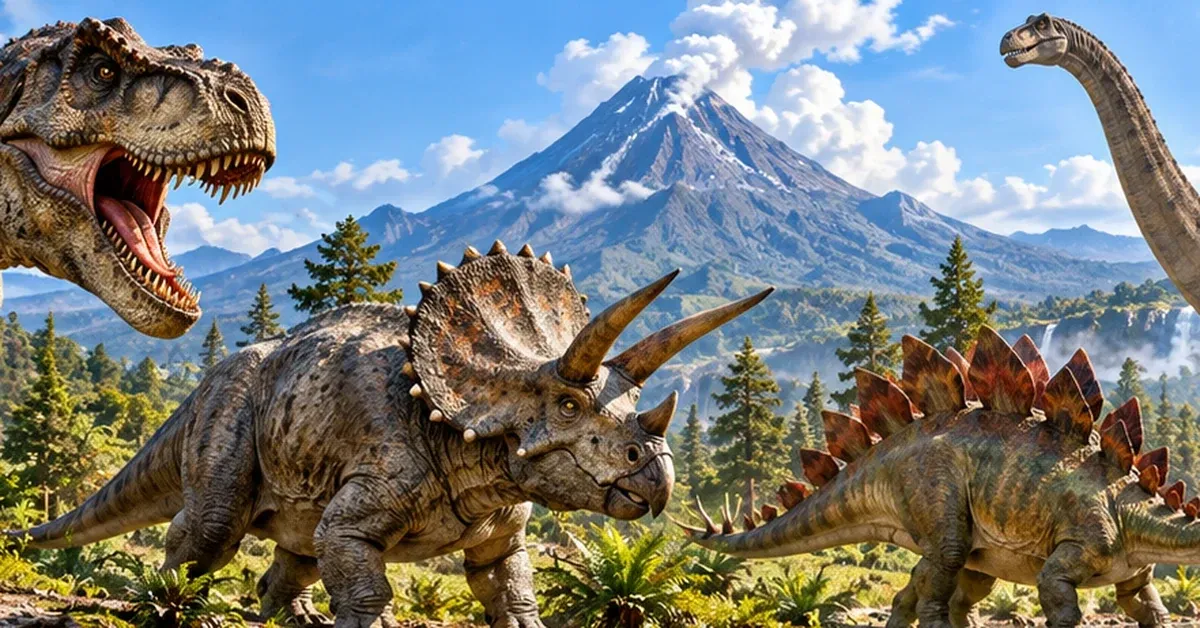
Most Popular Dinosaur Names and Their Meanings
The names people recognize first usually belong to animals with a distinctive outline: the broad frill of Triceratops, the back plates of Stegosaurus, or the massive head of Tyrannosaurus. Here are well-known dinosaur names with straightforward meanings and memorable features.
| Dinosaur name | Name meaning | Best-known feature |
|---|---|---|
| Tyrannosaurus rex | Tyrant lizard king | Powerful-jawed meat-eater |
| Triceratops | Three-horned face | Three facial horns and a neck frill |
| Stegosaurus | Roof lizard | Two rows of tall back plates |
| Brachiosaurus | Arm lizard | Tall shoulders and a long neck |
| Velociraptor | Swift robber | Agile, feathered predatory dinosaur |
| Ankylosaurus | Fused lizard | Heavy body armor and tail club |
| Spinosaurus | Spine lizard | Tall sail-like back structure |
| Allosaurus | Different lizard | Large Jurassic predator |
| Apatosaurus | Deceptive lizard | Huge long-necked herbivore |
| Diplodocus | Double beam | Exceptionally long body and tail |
| Iguanodon | Iguana tooth | Beak and distinctive thumb spike |
| Parasaurolophus | Near-crested lizard | Long backward-pointing head crest |
| Baryonyx | Heavy claw | Large hand claw and fish-eating evidence |
| Carnotaurus | Meat-eating bull | Two horns above the eyes |
Why These Dinosaur Names Are So Familiar
Each animal has an easily recognizable shape, which makes its name easier to remember. Triceratops is the three-horned dinosaur; Stegosaurus has plates and a spiked tail; Ankylosaurus looks like an armored tank. These silhouettes appear in museums, children’s books, films, puzzles, and dinosaur figures. Their popularity does not mean they all lived together. Stegosaurus lived in the Late Jurassic, for example, while T. rex and Triceratops lived near the end of the Cretaceous.
It is also useful to distinguish a genus name from a complete species name. Tyrannosaurus is a genus; Tyrannosaurus rex is a species name, often shortened to T. rex. The scientific naming system gives each species a two-part name, but a genus alone is perfectly useful in a beginner-friendly dinosaur list.
Dinosaur Names A to Z
This alphabetical dinosaur names list is a starting point for children, teachers, collectors, and anyone searching for dinosaur names by first letter. It mixes famous genera with interesting alternatives. Not every dinosaur listed below belonged to the same time, region, or family, and the list is a curated selection rather than every dinosaur ever discovered.
| Letter | Real dinosaur names |
|---|---|
| A | Allosaurus, Ankylosaurus, Apatosaurus, Argentinosaurus |
| B | Baryonyx, Brachiosaurus, Barosaurus, Bambiraptor |
| C | Carnotaurus, Ceratosaurus, Coelophysis, Corythosaurus |
| D | Deinonychus, Dilophosaurus, Diplodocus, Dreadnoughtus |
| E | Edmontosaurus, Eoraptor, Euoplocephalus, Europasaurus |
| F | Fukuiraptor, Fukuisaurus |
| G | Gallimimus, Giganotosaurus, Giraffatitan, Gorgosaurus |
| H | Hadrosaurus, Herrerasaurus, Heterodontosaurus |
| I | Iguanodon, Irritator, Isisaurus |
| J | Jobaria, Jaxartosaurus |
| K | Kentrosaurus, Kosmoceratops |
| L | Lambeosaurus, Lesothosaurus, Lufengosaurus |
| M | Maiasaura, Mamenchisaurus, Microraptor, Mussaurus |
| N | Nodosaurus, Nothronychus, Nqwebasaurus |
| O | Ornithomimus, Ouranosaurus, Oviraptor |
| P | Pachycephalosaurus, Parasaurolophus, Patagotitan |
| Q | Qianzhousaurus, Quaesitosaurus |
| R | Rajasaurus, Riojasaurus, Rugops |
| S | Spinosaurus, Stegosaurus, Styracosaurus, Suchomimus |
| T | Therizinosaurus, Torvosaurus, Triceratops, Tyrannosaurus |
| U | Utahraptor, Unenlagia |
| V | Velociraptor, Vulcanodon |
| W | Wannanosaurus, Wuerhosaurus |
| X | Xenoceratops, Xixiasaurus |
| Y | Yangchuanosaurus, Yutyrannus |
| Z | Zalmoxes, Zephyrosaurus, Zuniceratops |
How to Use the A–Z Dinosaur List
If you need a dinosaur name starting with a particular letter, begin with the table, then look up the animal’s diet and anatomy. For an A-name, Ankylosaurus is an easy choice for an armored dinosaur, while Argentinosaurus suits a giant sauropod project. Under D, Deinonychus offers an agile predator, whereas Diplodocus represents a long-necked plant-eater. A name that sounds fierce does not always indicate a carnivore, so it is worth checking the real animal before adding a picture or description.
Some letters have fewer commonly cited genera than others. Finding an unusual dinosaur name under Q, X, or Z can be a fun challenge, but unusual spelling does not automatically mean a dinosaur was rare in life. It may simply reflect the language, place, or person honored in the name.
Meat-Eating Dinosaur Names
Carnivorous dinosaur names include giants with crushing jaws, smaller hunters with gripping claws, and specialized fish-eaters. Most familiar non-bird predatory dinosaurs were theropods, a group whose living members are birds. Their diets, hunting strategies, and even body coverings varied widely, so it is more accurate to describe each dinosaur than to imagine every carnivore as a scaled version of T. rex.
Famous Large Carnivorous Dinosaurs
Tyrannosaurus rex is the best-known large predator from the Late Cretaceous of North America. Its powerful skull and thick teeth were suited to biting through bone. The name means “tyrant lizard king,” although that does not imply it was the largest or fastest carnivore.
Allosaurus lived much earlier, in the Late Jurassic. Its name means “different lizard.” This two-legged predator had a relatively large skull, sharp teeth, and strong hind limbs. Allosaurus fossils often appear in displays about Jurassic North America.
Giganotosaurus was a very large theropod discovered in Argentina. Its name is commonly rendered as “giant southern lizard.” It belongs in South American dinosaur lists, not alongside T. rex as if the two fought in the same ecosystem.
Carcharodontosaurus is named for shark-like teeth; its name means “shark-toothed lizard.” This enormous African predator reminds us that teeth can be a major clue to a dinosaur’s diet, even when complete skeletons are scarce.
Carnotaurus, or “meat-eating bull,” had unusually short arms and a pair of horns above the eyes. These horns make its name particularly easy for kids to connect with its appearance.
Raptors, Smaller Predators and Fish-Eaters
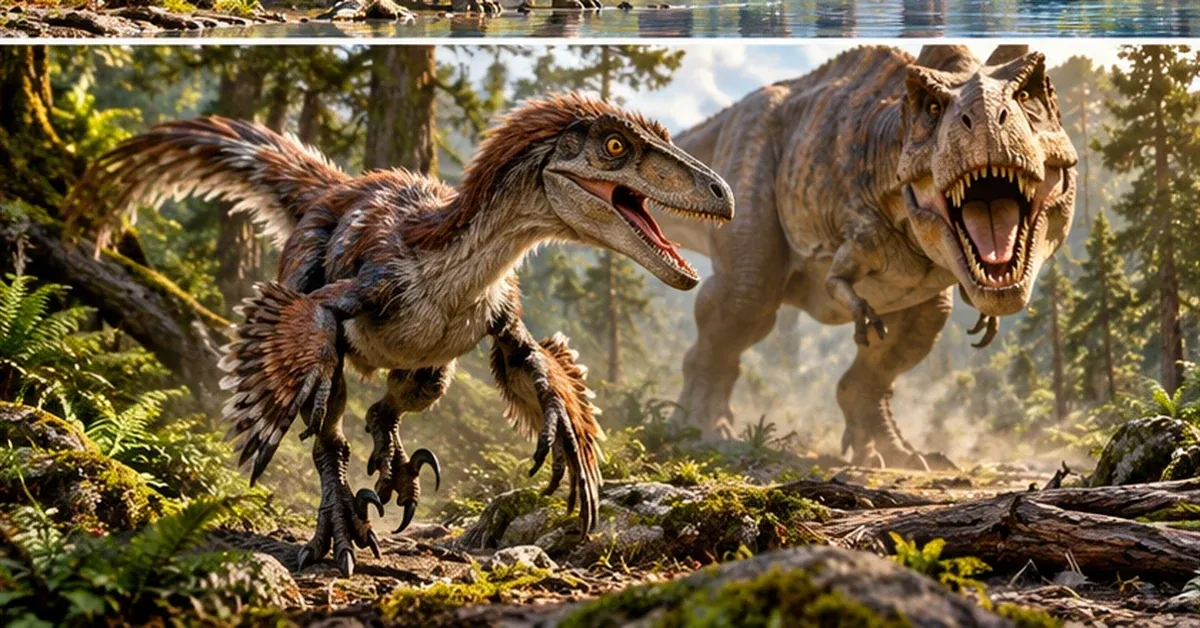
Velociraptor means “swift robber.” Real Velociraptor was much smaller than many movie versions and is supported by evidence of feathers. It had a large curved claw on each second toe, a characteristic shared with several related dromaeosaurids.
Deinonychus means “terrible claw.” Its sickle-shaped toe claws helped make it a major animal in discussions about active, bird-like dinosaur predators. Utahraptor was a much larger relative, and Microraptor was a small, feathered dinosaur with long feathers on its limbs.
Baryonyx, meaning “heavy claw,” had a large thumb claw and evidence of fish consumption. Suchomimus, or “crocodile mimic,” is another long-snouted spinosaurid. Spinosaurus has inspired considerable research about water-related adaptations; exactly how it moved and hunted in water remains debated, so it should not be labeled a fully marine dinosaur.
For a school worksheet, an easy carnivore set is T. rex, Allosaurus, Carnotaurus, Velociraptor, Deinonychus, and Baryonyx. Their different body shapes let children compare jaws, legs, feathers, horns, and claws without confusing them as one kind of animal.
Herbivorous Dinosaur Names
Plant-eating dinosaurs were just as varied as predators. Some walked on four thick legs, others could move on their hind legs, and many had elaborate armor, crests, or horns. “Herbivore” tells you what an animal ate; it does not describe one single dinosaur family.
Horned Dinosaurs and Duck-Billed Herbivores
Triceratops was a large, four-legged ceratopsian with three horns and a bony frill. Styracosaurus had an impressive arrangement of spikes around its frill, while Protoceratops was smaller and lacked the enormous horns of Triceratops. These three names show how varied horned dinosaurs could be.
Parasaurolophus had a long, curved skull crest. Researchers have investigated how the hollow crest may have helped produce calls, although its exact uses remain a subject of study. Edmontosaurus was a duck-billed dinosaur with a broad beak and complex teeth suitable for processing vegetation. Maiasaura is associated with nesting sites that provide valuable evidence about dinosaur reproduction and growth.
Armored and Plated Plant-Eaters
Stegosaurus carried tall plates along its back and spikes at the end of its tail. The meaning “roof lizard” comes from an early interpretation of how the plates lay; later discoveries improved the reconstruction. Kentrosaurus was another plated stegosaur, with prominent spikes toward its rear.
Ankylosaurus is famous for heavy armor and a tail club. Euoplocephalus was also an armored ankylosaur with a clubbed tail, while Nodosaurus represents armored dinosaurs without the same iconic club. These are good choices when searching for dinosaur names with spikes, plates, shells, or protective body armor.
Plant-eaters were not automatically gentle or harmless. A horn, tail club, or spiked tail could make a large herbivore a formidable animal. Likewise, scientists cannot infer an individual dinosaur’s personality from its diet; stories about friendly dinosaurs are creative interpretations, not fossil facts.
Long-Neck Dinosaur Names
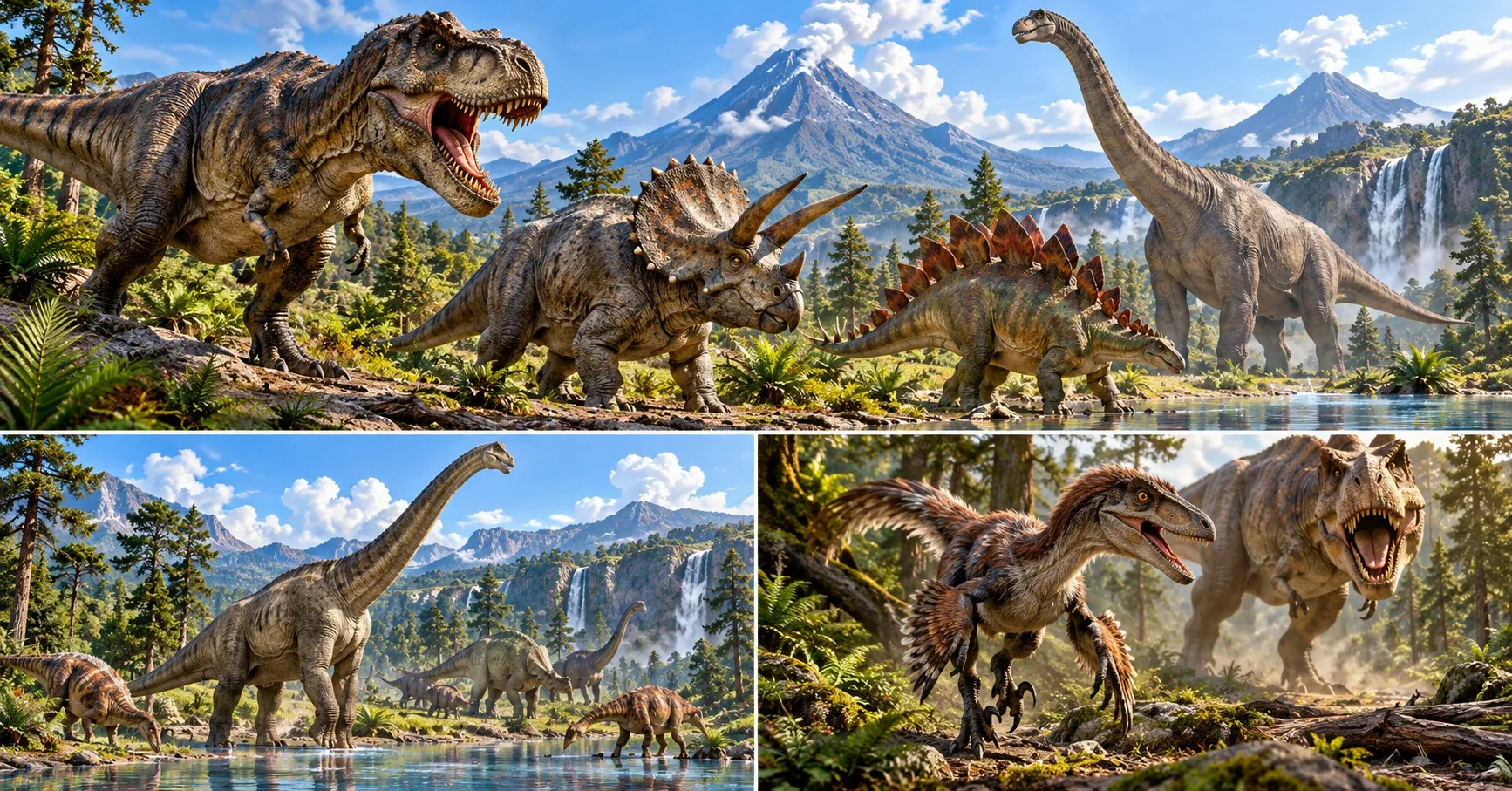
Long-neck dinosaur names usually refer to sauropods and their relatives. Many sauropods had small heads, enormous bodies, column-like limbs, and long tails. They were among the largest animals ever to walk on land, but not every long-necked dinosaur was equally tall or heavy. Some had necks carried relatively high, while others had different proportions.
Brachiosaurus means “arm lizard,” referring to its relatively long front limbs. Diplodocus, meaning “double beam,” was a long, relatively slender sauropod with a whip-like tail. Apatosaurus had a robust body and long neck; its name translates to “deceptive lizard.” Barosaurus is another striking long-necked Jurassic dinosaur, and Camarasaurus is recognized by its comparatively short, deep skull.
For truly enormous sauropod names, look at Argentinosaurus, Patagotitan, and Dreadnoughtus. Their sizes are estimated from incomplete fossils, which means rankings of the “biggest dinosaur” can change depending on the method and material used. Mamenchisaurus is often discussed in connection with extraordinarily long necks, while Amargasaurus is known for tall neck spines rather than simply overall length.
One common confusion is the name Brontosaurus, meaning “thunder lizard.” Historically, researchers grouped Brontosaurus with Apatosaurus; later analyses revived Brontosaurus as a separate genus in some classifications. The fine points of sauropod taxonomy remain scientific matters, so neither an old poster nor one headline should be treated as the final word on every name.
Small, Fast and Feathered Dinosaur Names
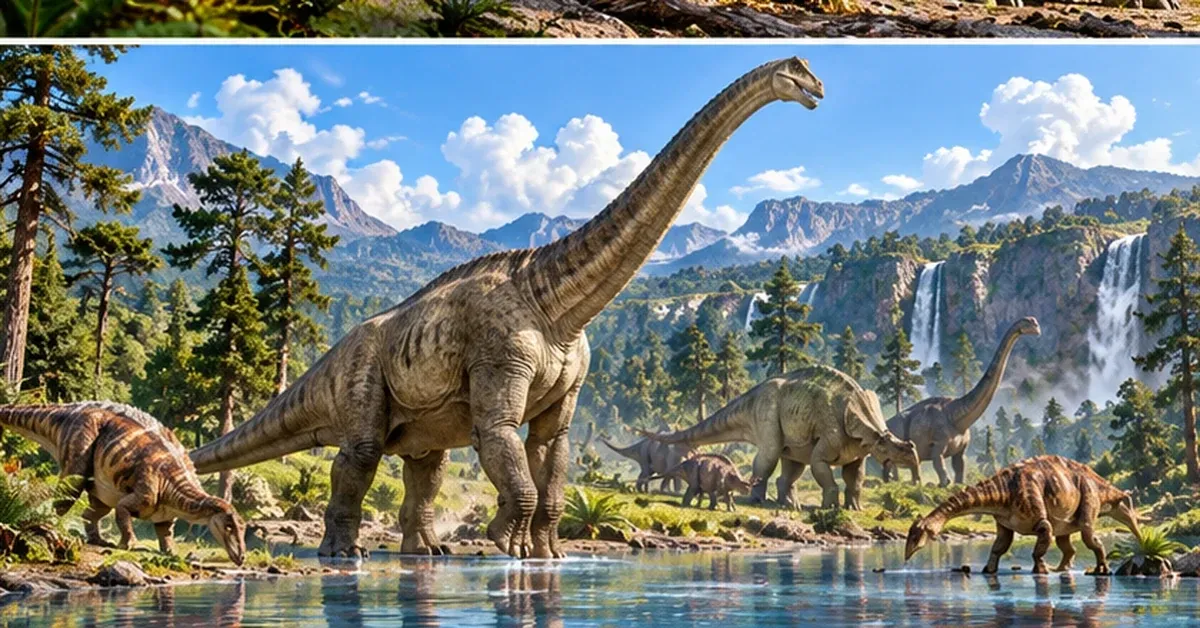
Not every dinosaur was gigantic. Smaller species are excellent examples for anyone looking for cute dinosaur names, easy-to-draw dinosaurs, or animals that resemble modern birds. They also help explain why paleontologists do not see dinosaurs as a single body shape.
Compsognathus was a small, lightly built theropod. Its name is often translated as “elegant jaw.” Coelophysis means “hollow form,” a reference to its hollow limb bones. It lived during the Triassic and is useful when learning about some of the earlier dinosaurs.
Gallimimus means “chicken mimic.” It had long legs and a small head, giving it an ostrich-like outline. Ornithomimus, or “bird mimic,” belonged to a similar-looking group of dinosaurs. Names containing “mimus” often suggest resemblance to another animal, not that the dinosaur was a direct copy of it.
Microraptor was tiny compared with the giants, but its plumage is scientifically important. Caudipteryx, literally “tail feather,” and Sinosauropteryx offer more examples of fossil dinosaurs linked to feather discussions. Such names are especially useful for lessons about dinosaur evolution and the origin of birds.
Cool, Cute and Funny Dinosaur Names for Kids
You can use dinosaur names in two ways: choose the scientific name of a real prehistoric animal, or give a dinosaur toy, game character, or party mascot an invented nickname. Both can be fun, but they should not be mixed in factual lists. “Stegosaurus” is a recognized genus; “Spike the Stego” is a playful character name.
Cool Real Dinosaur Names
For a bold project title, try Utahraptor, Gorgosaurus, Torvosaurus, Dreadnoughtus, Styracosaurus, or Therizinosaurus. They sound dramatic, yet each refers to an actual dinosaur. Dreadnoughtus was named with the idea of fearing nothing, while Therizinosaurus means “scythe lizard,” referring to its remarkable claws. A cool name can belong to a plant-eater as easily as a predator.
Cute Dinosaur Nicknames for Toys and Characters
| Nickname | Best suited to |
|---|---|
| Tiny Tops | A baby Triceratops figure |
| Spike | A Stegosaurus toy |
| Nibbles | A little plant-eating dinosaur |
| Longneck Lou | A friendly sauropod character |
| Rexie | A playful T. rex character |
| Pebble | A small armored dinosaur |
| Fern | A gentle herbivore mascot |
| Raptor Roo | A quick, bouncy dinosaur character |
| Clover | A green dinosaur plush toy |
| Sunny Saurus | A cheerful party dinosaur |
These are creative nicknames rather than official scientific dinosaur names. For dinosaur birthday parties, classrooms, or storytelling, you can pair a nickname with the real species label: “Rexie the Tyrannosaurus,” for instance. Children get a memorable character without losing the accurate animal name.
Funny Dinosaur Names for Word Games
If you want a lighthearted dinosaur-themed name rather than a real genus, try Sir Stomps-a-Lot, Captain Crunchasaurus, Professor Roar, Dino-Mite, Snackasaurus, or The Great Leaf Muncher. These are original playful names for teams, pets, costumes, and games. Avoid presenting them in an educational A–Z table as if fossils had been found under those names.
For a toy or fictional companion, compare pet names with funny names. These are creative naming ideas, not alternatives to the scientific genus or species name printed in a dinosaur guide.
What Do Dinosaur Names Mean?
Most dinosaur scientific names come from Greek or Latin roots. A name may describe teeth, claws, horns, body shape, a location, or the person being honored. The American Museum of Natural History explains that the naming rules are part of the same scientific system used for living animals. Learning a few word roots lets you recognize patterns instead of memorizing every dinosaur name separately.
| Name part | Common meaning | Example |
|---|---|---|
| saur / saurus | Lizard | Stegosaurus |
| tyranno | Tyrant | Tyrannosaurus |
| rex | King | Tyrannosaurus rex |
| tri | Three | Triceratops |
| cerat | Horn | Triceratops |
| ops | Face | Triceratops |
| stego | Roof | Stegosaurus |
| brachio | Arm | Brachiosaurus |
| velo / veloci | Swift | Velociraptor |
| raptor | Robber | Velociraptor |
| micro | Small | Microraptor |
| giga | Giant | Giganotosaurus |
| ornitho | Bird | Ornithomimus |
| mimus | Mimic | Gallimimus |
| deino | Terrible | Deinonychus |
| pachy | Thick | Pachycephalosaurus |
How Scientists Choose Dinosaur Names
A new dinosaur is usually described in a scientific publication using evidence from fossils, anatomy, and comparisons with previously named animals. Its genus name begins with a capital letter, while the species epithet is lowercase: Triceratops horridus is one example. In formal writing, the genus and species are italicized. A well-known shorthand such as “T. rex” abbreviates the genus but preserves the two-part format.
Names may preserve the geography of a discovery. Argentinosaurus points to Argentina; Edmontosaurus references the Edmonton region of Canada. Other names highlight anatomical features, such as the “heavy claw” of Baryonyx or the “three-horned face” of Triceratops. Not all names have an equally simple English translation, and literal word parts cannot reveal every detail of how an animal lived.
Because paleontologists revise the dinosaur family tree as new specimens appear, a name’s scientific status can sometimes change. Two names may turn out to describe the same animal, or an animal once assigned to one genus may be placed in another. This is a normal feature of scientific research, not a reason to ignore museum reference material.
Dinosaur Names and Pronunciation Guide
Some dinosaur names look impossible until you break them into pieces. Pronunciations can vary by language and among speakers, but the following reader-friendly versions make popular names less intimidating. Capital letters show the syllable to emphasize rather than a separate part of the spelling.
| Dinosaur | Say it like this |
|---|---|
| Tyrannosaurus | tie-RAN-oh-SORE-us |
| Triceratops | try-SERR-uh-tops |
| Stegosaurus | STEG-oh-SORE-us |
| Brachiosaurus | BRAK-ee-oh-SORE-us |
| Velociraptor | veh-LOSS-ih-RAP-tor |
| Ankylosaurus | ang-KY-low-SORE-us |
| Diplodocus | dih-PLOD-uh-kus |
| Parasaurolophus | pair-uh-sore-OL-uh-fus |
| Iguanodon | ih-GWAH-no-don |
| Coelophysis | see-LOF-ih-sis |
When teaching young children, start with three names and pictures. Say the names aloud, connect each to a feature, and then introduce harder names. A child who remembers that “tri” means three may be able to recognize Triceratops more easily than a child trying to memorize every syllable alone.
Dinosaur Names by Prehistoric Time Period
Dinosaurs did not all share the planet at once. The Mesozoic Era includes the Triassic, Jurassic, and Cretaceous periods. Placing a dinosaur on a timeline helps explain why different fossil communities and types appear in books and museums.
Triassic Dinosaur Names
The Triassic saw the early development and spread of dinosaurs. Coelophysis, Herrerasaurus, Eoraptor, and Plateosaurus are useful names when studying this earlier chapter. Some were relatively small, two-legged predators, whereas Plateosaurus was an early long-necked plant-eating relative of later sauropods. The Triassic ended around 201 million years ago, and many of the most recognizable giant dinosaurs evolved later.
Jurassic Dinosaur Names
The Jurassic is associated with large sauropods, plated dinosaurs, and impressive predators. Examples include Brachiosaurus, Diplodocus, Apatosaurus, Stegosaurus, Allosaurus, and Ceratosaurus. If you are building a Jurassic-themed educational display, these are more appropriate names than T. rex or Triceratops, which lived later.
Cretaceous Dinosaur Names
The Cretaceous brought many spectacular horned, duck-billed, feathered, and predatory dinosaurs. Familiar examples include Tyrannosaurus, Triceratops, Velociraptor, Spinosaurus, Ankylosaurus, Parasaurolophus, and Carnotaurus. The non-bird dinosaurs disappeared in the mass extinction about 66 million years ago, while the bird branch of Dinosauria survived and continues today.
Flying Dinosaur Names and Water Dinosaur Names: What Counts?
People often search for “flying dinosaur names” and “water dinosaur names” while looking for prehistoric creatures. Those phrases are common, but the scientific distinction matters. Most famous large flying reptiles were pterosaurs, not non-avian dinosaurs. Likewise, giant ocean reptiles such as mosasaurs and plesiosaurs were not dinosaurs.
Flying Reptiles Often Mistaken for Dinosaurs
Pteranodon, Pterodactylus, Quetzalcoatlus, and Rhamphorhynchus were pterosaurs. Their wings were supported by an elongated finger and skin membrane, rather than the feathered wings of birds. These animals lived alongside dinosaurs but belonged to a distinct evolutionary lineage.
However, birds are living dinosaurs, and some prehistoric feathered dinosaurs were capable of flight or close to its evolutionary origins. Archaeopteryx is frequently discussed in that context, while Microraptor is an important example for the study of feathered flight-related anatomy. Therefore, it is accurate to say that flying dinosaurs exist today in the form of birds, but inaccurate to label Pteranodon a dinosaur.
Sea Creatures Commonly Called Water Dinosaurs
Mosasaurus was a marine reptile related to lizards and snakes, not a dinosaur. Plesiosaurus was a marine reptile with a body plan very different from the dinosaurs on land. Ichthyosaurus belonged to another marine-reptile group with a streamlined outline. All three belong in a list of prehistoric sea creatures, not a scientifically precise list of dinosaur genera.
Some dinosaurs did spend time around water. Baryonyx consumed fish, and scientists study how semiaquatic Spinosaurus may have been. Neither fact turns these animals into the same category as mosasaurs or plesiosaurs. For a child’s project, the simplest accurate labels are “dinosaurs,” “flying pterosaurs,” and “marine reptiles.”
Rare and Unusual Dinosaur Names Worth Discovering
If you have already explored the usual T. rex and Stegosaurus names, lesser-known dinosaurs can offer fresh topics. Amargasaurus is intriguing because of the long spines on its neck. Concavenator is recognized for a distinctive rise on its back. Deinocheirus surprised paleontologists because its unusual anatomy became much better understood when more complete fossils were found.
Therizinosaurus was a plant-associated theropod with enormous claws, showing why a fearsome name does not necessarily describe a meat-eater. Oviraptor means “egg thief,” but the original assumption about stolen eggs was misleading; later fossil evidence connected related animals to their own nests. Pachycephalosaurus, meaning “thick-headed lizard,” had an extraordinary domed skull, although exactly how such dinosaurs used their heads is still researched.
Other memorable discoveries include Cryolophosaurus, a crested theropod from Antarctica; Kosmoceratops, a horned dinosaur with elaborate skull ornamentation; and Mamenchisaurus, which helps illustrate how extreme sauropod neck length could become. The word “rare” here means unfamiliar to general audiences, not necessarily that only one animal ever lived.
If a child wants a memorable nickname, compare cool names and unique names. Dragon names offer a fantasy direction, but dragons and scientifically described dinosaurs belong to different kinds of stories.
How to Choose the Best Dinosaur Name
For a school presentation, begin with a real dinosaur whose fossils and basic facts are well documented. Choose Triceratops for horns, Ankylosaurus for armor, Stegosaurus for plates, or Diplodocus for a long tail. A recognizable feature gives a presentation a clear focus beyond simply repeating the name.
For a dinosaur birthday party or a toy, decide whether you want a scientific label or a character’s name. The label can teach something: “Apatosaurus — plant eater.” The character name can add personality: “Lou the Longneck.” For a game character, you might use a genuine genus and then add an original title such as “Rex the Explorer” rather than inventing a false species explanation.
If you are comparing dinosaurs, select animals from the same time and region when possible. A project about Late Jurassic North America might compare Allosaurus, Stegosaurus, and Diplodocus. A Late Cretaceous North American project might compare T. rex, Triceratops, and Edmontosaurus. This makes an educational scene more meaningful than placing every favorite dinosaur into one imagined ecosystem.
For a dinosaur-themed classroom team or club, group chat names can help name the group itself. Code names are another option for a pretend expedition or game, while the real dinosaur names stay unchanged.
Frequently Asked Questions About Dinosaur Names
What are the 10 most famous dinosaur names?
A practical starter set is Tyrannosaurus rex, Triceratops, Stegosaurus, Velociraptor, Brachiosaurus, Ankylosaurus, Spinosaurus, Diplodocus, Apatosaurus, and Allosaurus. These are widely recognizable, cover several body types, and are straightforward to match with pictures. "Most famous" is a popularity judgment, not a formal scientific ranking.
How many dinosaur names are there?
Scientists have described many hundreds of non-avian dinosaur genera, and the count changes as new fossils are described and old classifications are revised. The Natural History Museum's online Dino Directory offers more than 300 dinosaurs as a browseable learning resource, but that directory should not be treated as the exact number of all dinosaurs known to science.
What is the longest dinosaur name?
There is no universally useful answer unless you specify whether you mean genus names, full two-part species names, or names considered scientifically valid in a particular reference. Pachycephalosaurus and Carcharodontosaurus are famously long names in children's books. For a word-length contest, check a current scientific directory before announcing a record.
What is the shortest dinosaur name?
Yi is a notably short valid dinosaur genus name, used for the species Yi qi. The very brief name contrasts with elaborate genera such as Pachycephalosaurus. Dinosaur names do not need to end in "-saurus" to be legitimate.
What dinosaur name means three-horned face?
Triceratops means "three-horned face." The name combines word roots relating to three, horns, and the face. Its skull had two long brow horns, a shorter nasal horn, and an extensive bony frill.
What dinosaur name means tyrant lizard king?
Tyrannosaurus rex means "tyrant lizard king." Tyrannosaurus is the genus, while rex is its species epithet. The name is dramatic, but it does not mean every giant predator was a Tyrannosaurus.
Which dinosaurs had long necks?
Well-known long-necked dinosaurs include Brachiosaurus, Diplodocus, Apatosaurus, Barosaurus, Camarasaurus, Argentinosaurus, Patagotitan, and Mamenchisaurus. Most of these are sauropods, although they did not have identical body proportions. Their sizes are commonly estimated from partial fossil skeletons.
What are good easy dinosaur names for kids?
T. rex, Stegosaurus, Triceratops, and Iguanodon are good starting points because children can connect them to distinctive features. For playful character names, Rexie, Spike, Pebble, and Tiny Tops work well, provided you explain that these are nicknames, not scientific animal names.
Is a Pterodactyl a dinosaur?
No. Pterodactylus was a pterosaur, a type of flying reptile closely related to but separate from non-bird dinosaurs. Birds, on the other hand, belong to Dinosauria and are living dinosaurs. This distinction helps correct one of the most common misunderstandings in prehistoric picture books.
Is Mosasaurus a dinosaur?
No. Mosasaurus was a large marine reptile, not a dinosaur. The same distinction applies to plesiosaurs and ichthyosaurs. Their fossils are fascinating, but they are classified in different groups from dinosaurs such as Spinosaurus or Brachiosaurus.
Are all dinosaur names based on Latin?
No. Greek and Latin roots are common, but dinosaur names may also draw on place names, personal names, and words from other languages. Scientific naming follows international conventions, while the inspiration for a name can come from many cultures and discoveries.
Final Thoughts on Dinosaur Names
The best dinosaur names do more than sound exciting: they connect an animal to an identifiable feature, place, or chapter of prehistoric life. Start with a familiar genus, learn its meaning, and compare it with a dinosaur that looks completely different. An A–Z list helps with discovery, while grouping names by diet, body type, and time period makes them easier to understand.
For reliable follow-up reading, the Natural History Museum’s Dino Directory provides dinosaur profiles, while the American Museum of Natural History explains scientific naming and the distinction between dinosaurs and other prehistoric reptiles. As new fossils are studied, individual descriptions can change, but those resources are a strong starting point for checking names before using them in lessons, articles, or projects.
Looking for more? Explore name origins and meanings across all eight categories.