German Last Names: 200+ Common & Uncommon Surnames With Meanings
Explore 200+ German last names with meanings. Learn why Müller and Schmidt top the list, what “von” really means, and how German names became American.
11 guides
A last name is often the oldest piece of family history a person carries. Many began as a practical label: the smith, the miller, the son of Domingo, the family who lived by the hill. Others grew out of a nickname, a hometown or a father’s first name, and some were chosen or assigned by officials when a government decided that everyone needed a fixed surname.
Over the centuries, migration, spelling reforms and a clerk’s handwriting pushed the same name into several forms. Müller can appear as Mueller or Miller, and an Irish family may have dropped its O’ in one generation and restored it in the next.
The guides in this section work culture by culture. Each one explains how surnames formed in that tradition, lists common and less common names with their meanings, and shows the prefixes and endings that hint at a region. You will also find pronunciation notes, the ways names changed in the United States and practical tips for record searches.
A surname meaning tells you how a name began, not who your ancestors were. Unrelated families often share a name, so use these guides as a starting point and confirm any family line with documents.
German Last Names: 200+ Common & Uncommon Surnames With Meanings
Explore 200+ German last names with meanings. Learn why Müller and Schmidt top the list, what “von” really means, and how German names became American.
French Last Names: 200+ Common, Rare & Noble Surnames With Meanings
Explore 200+ French last names with meanings. Find common, noble, rare, French-Canadian and Cajun surnames, and learn what “de” and “Le” really mean.
Greek Last Names: 150+ Common Surnames With Meanings (and What the Endings Reveal)
Explore 150+ Greek last names with meanings. Learn what -poulos, -akis and -idis reveal about your family’s region, and why so many names start with Papa-.
Hispanic Last Names: 200+ Common Surnames Across the US & Latin America
Explore 200+ Hispanic last names with meanings: the most common in the US, the top surname in each Latin American country and Indigenous names.
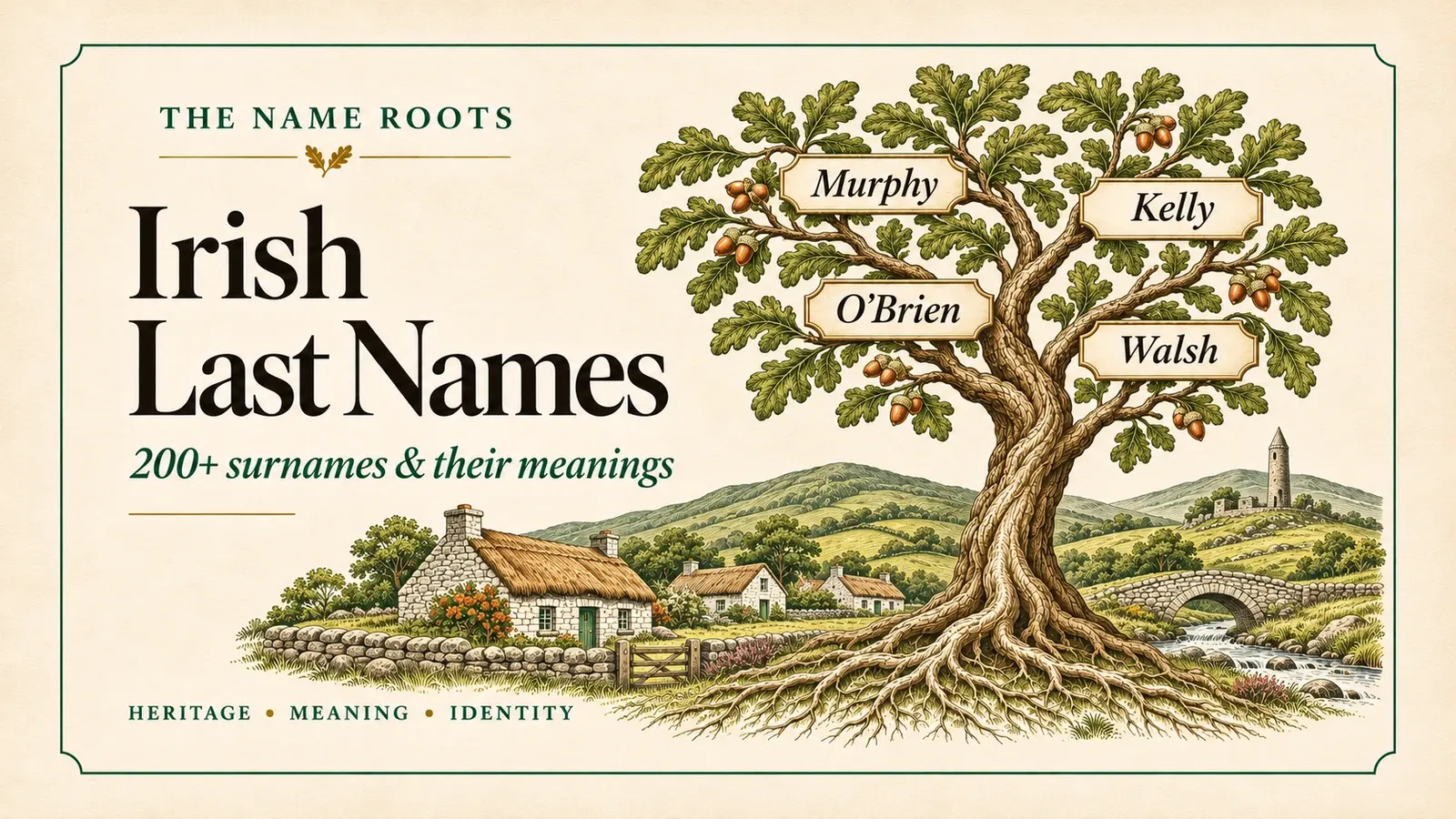
Irish Last Names: 200+ Common Surnames With Meanings (O’, Mac & Gaelic Forms)
Explore 200+ Irish last names with meanings and Gaelic spellings. Learn what O’ and Mac mean, why families dropped them and where each clan comes from.
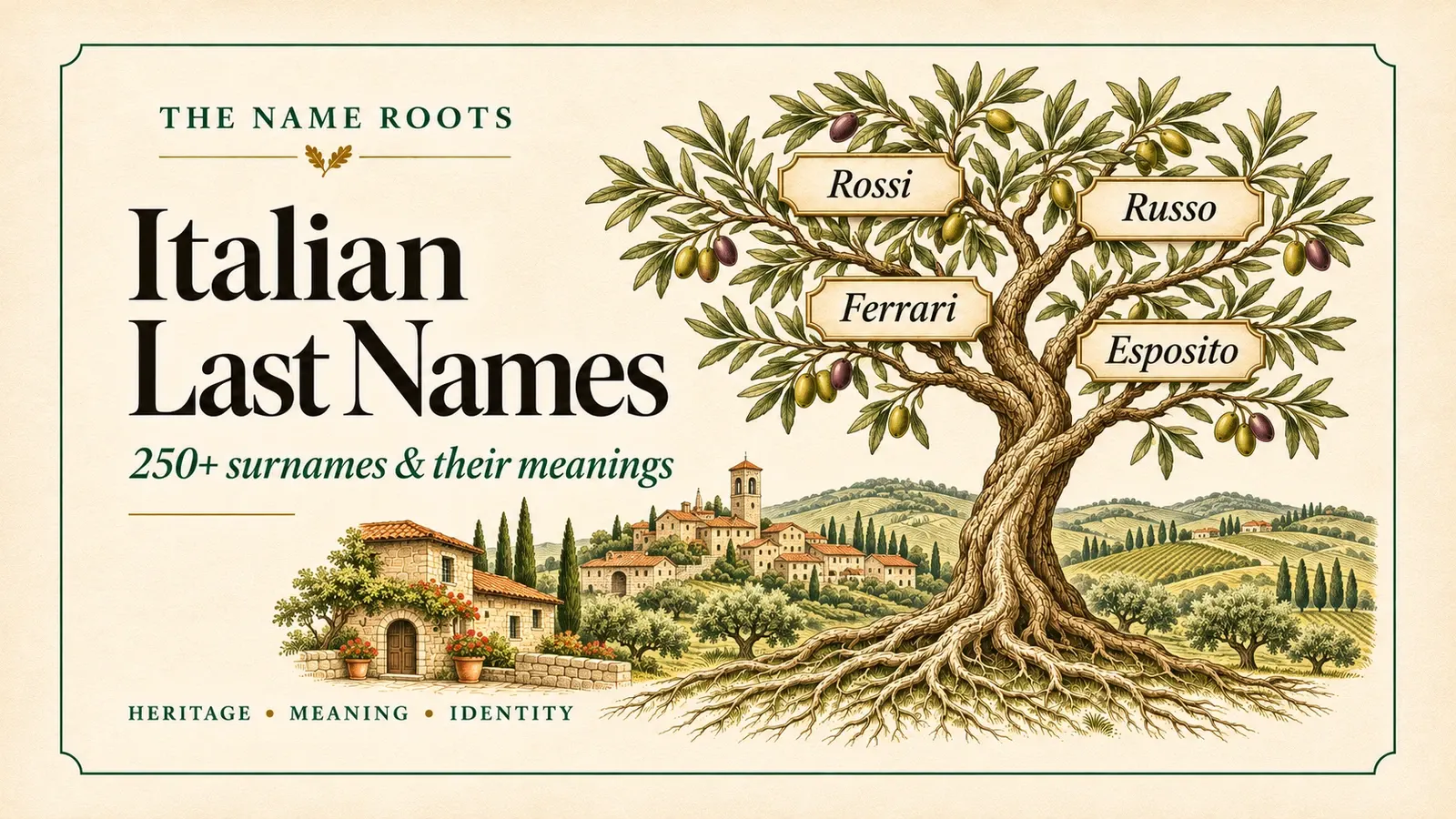
Italian Last Names: 250+ Common, Rare & Cool Surnames With Meanings
Discover 250+ Italian last names with meanings and regions. Explore common, rare, Sicilian, noble and Italian-American surnames, and decode your own.
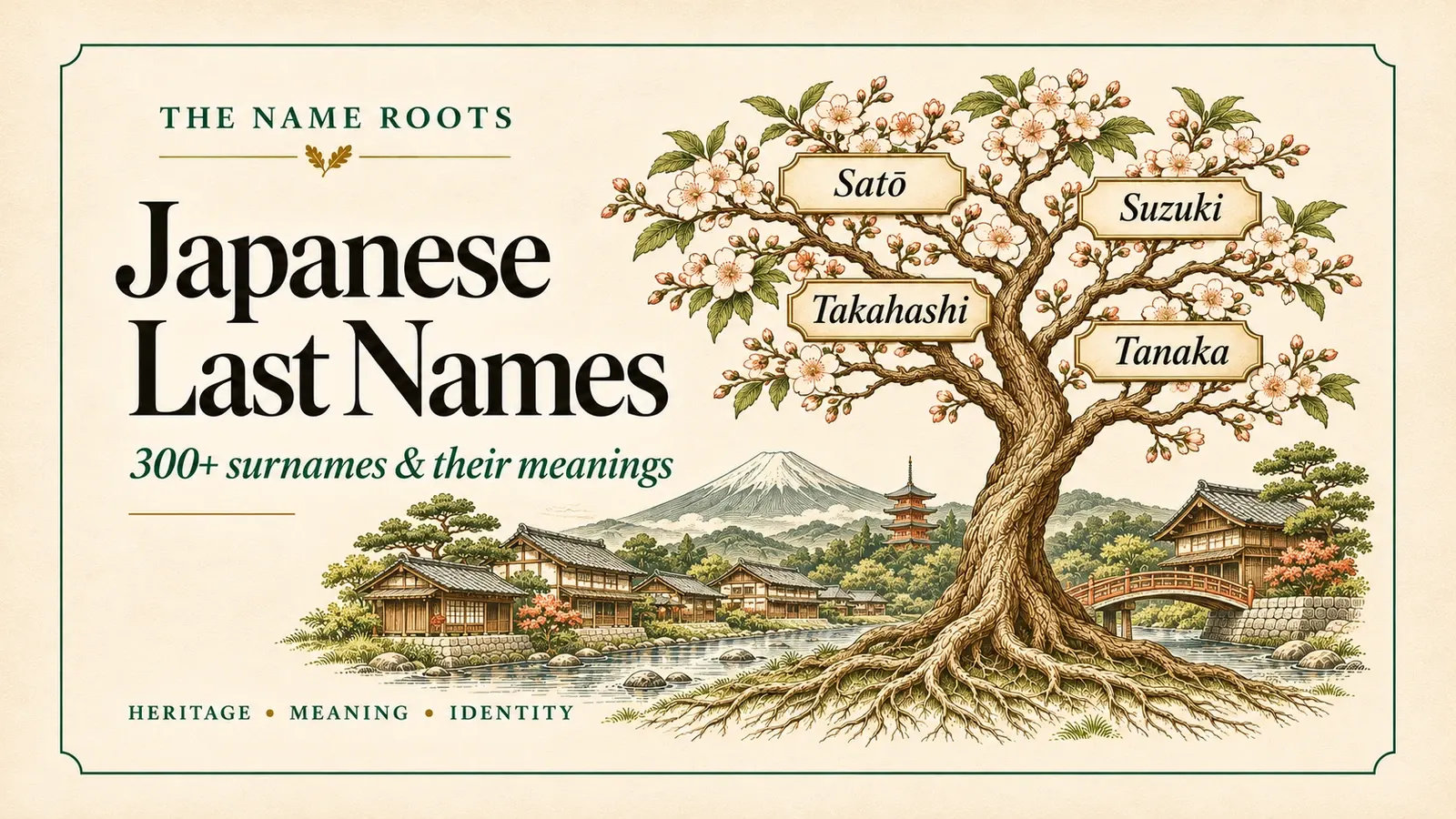
Japanese Last Names: 300+ Common, Rare, Cool & Dark Surnames With Meanings
Explore 300+ Japanese last names with kanji, meanings and rarity levels. Find common, rare, cool, dark and cute surnames, and learn to decode any name.
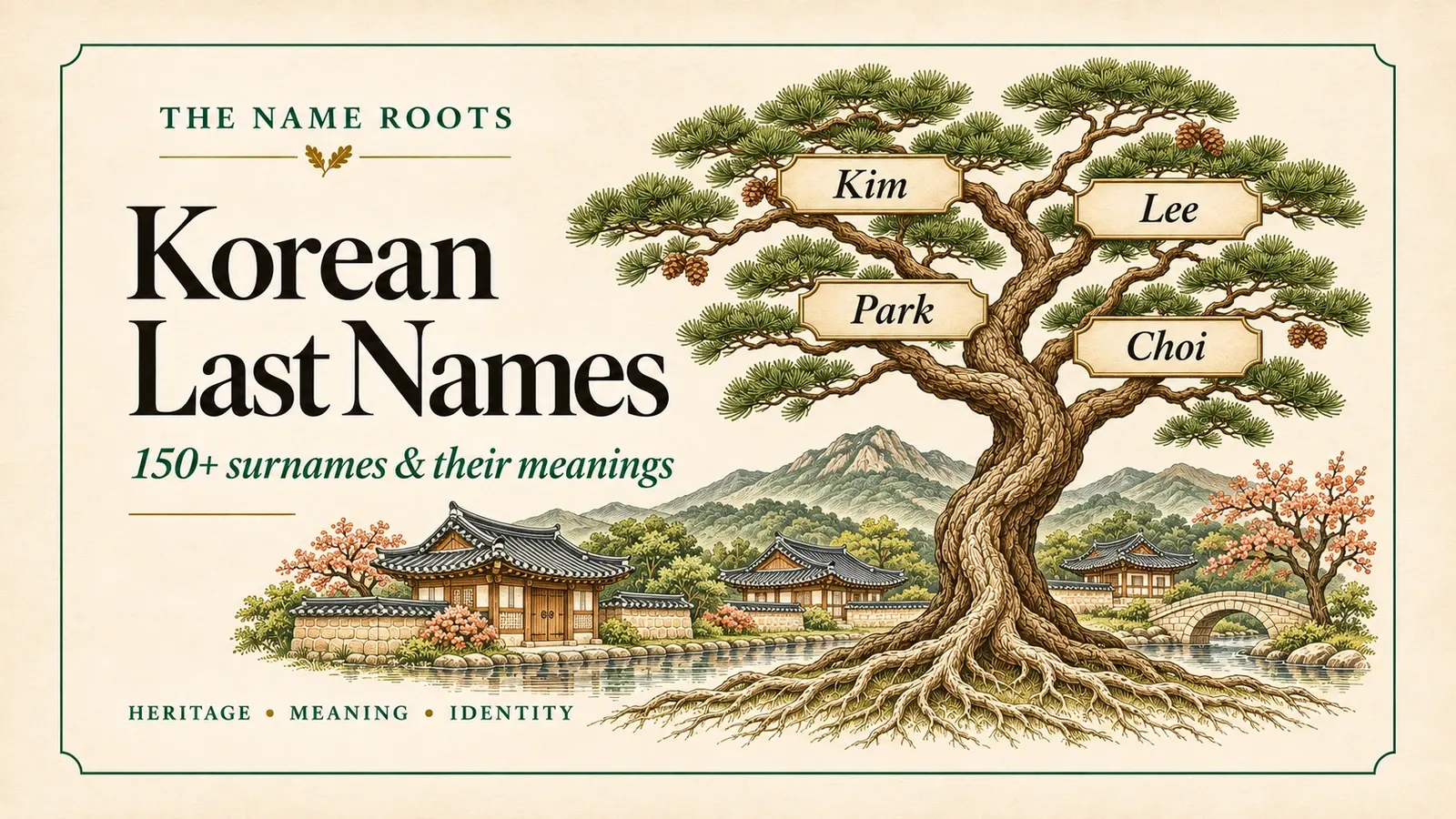
Korean Last Names: 150+ Common & Rare Surnames With Meanings (Hangul & Hanja)
Explore 150+ Korean last names with Hangul, Hanja and meanings. Learn why 1 in 5 Koreans is a Kim, what bon-gwan clans are, and how Lee became Yi and Rhee.
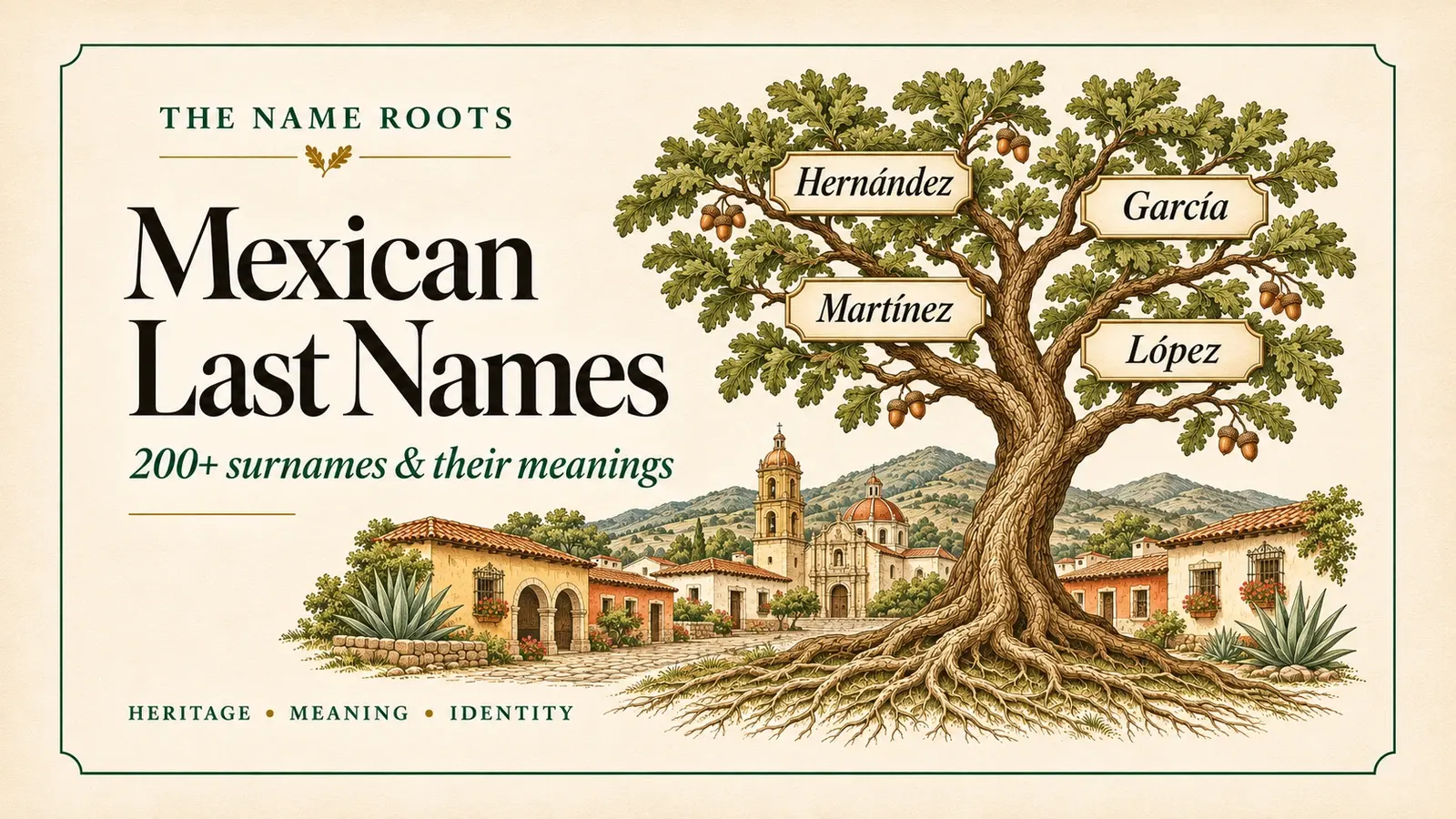
Mexican Last Names: 200+ Common, Rare & Indigenous Surnames With Meanings
Explore 200+ Mexican last names with meanings. See Mexico’s most common surnames, why Mexicans use two last names, and Nahuatl and Maya surnames.
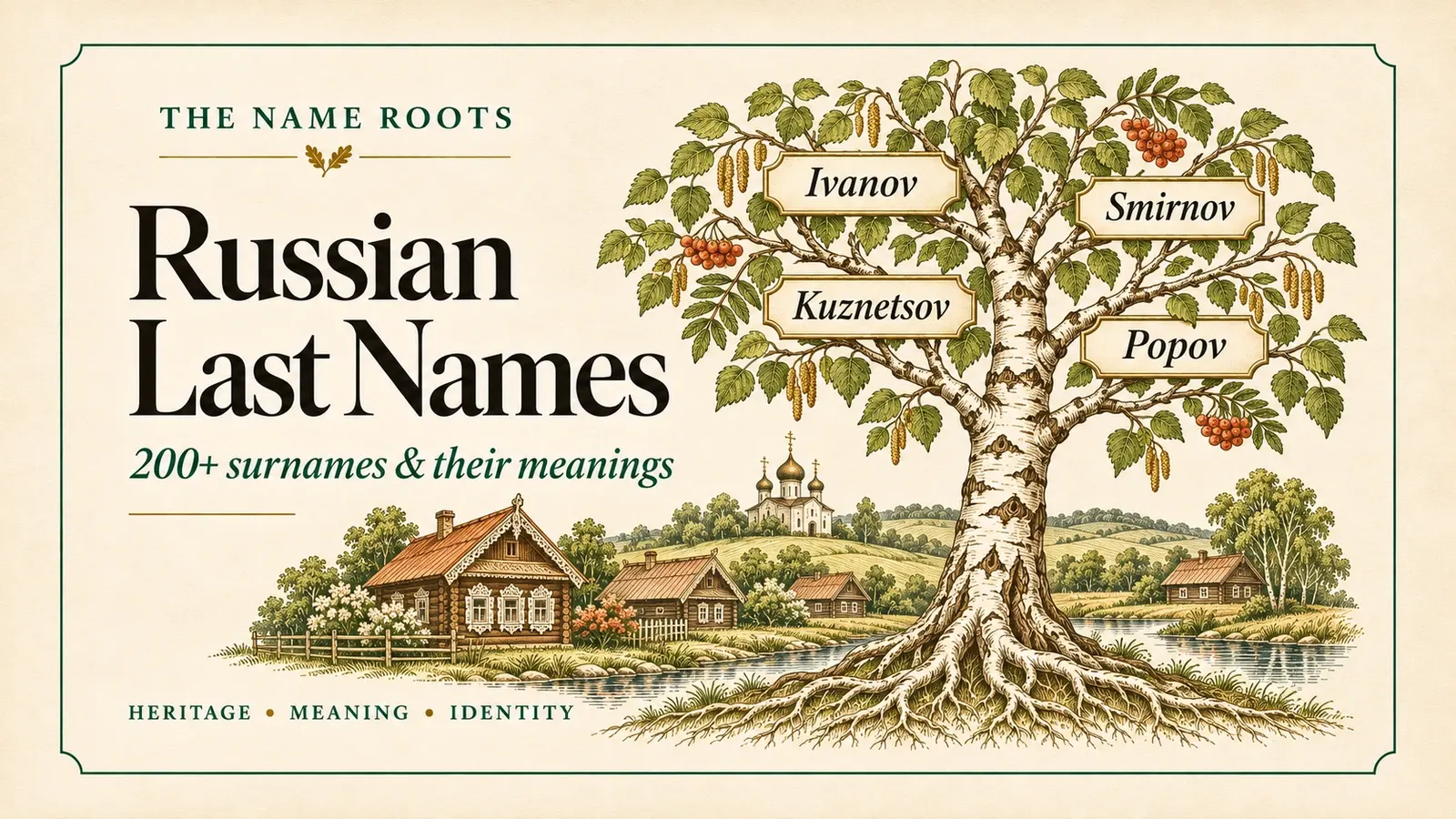
Russian Last Names: 200+ Common Male & Female Surnames With Meanings
Explore 200+ Russian last names with meanings, male and female forms. Learn why Ivanov becomes Ivanova, what -sky means and how to decode any surname.
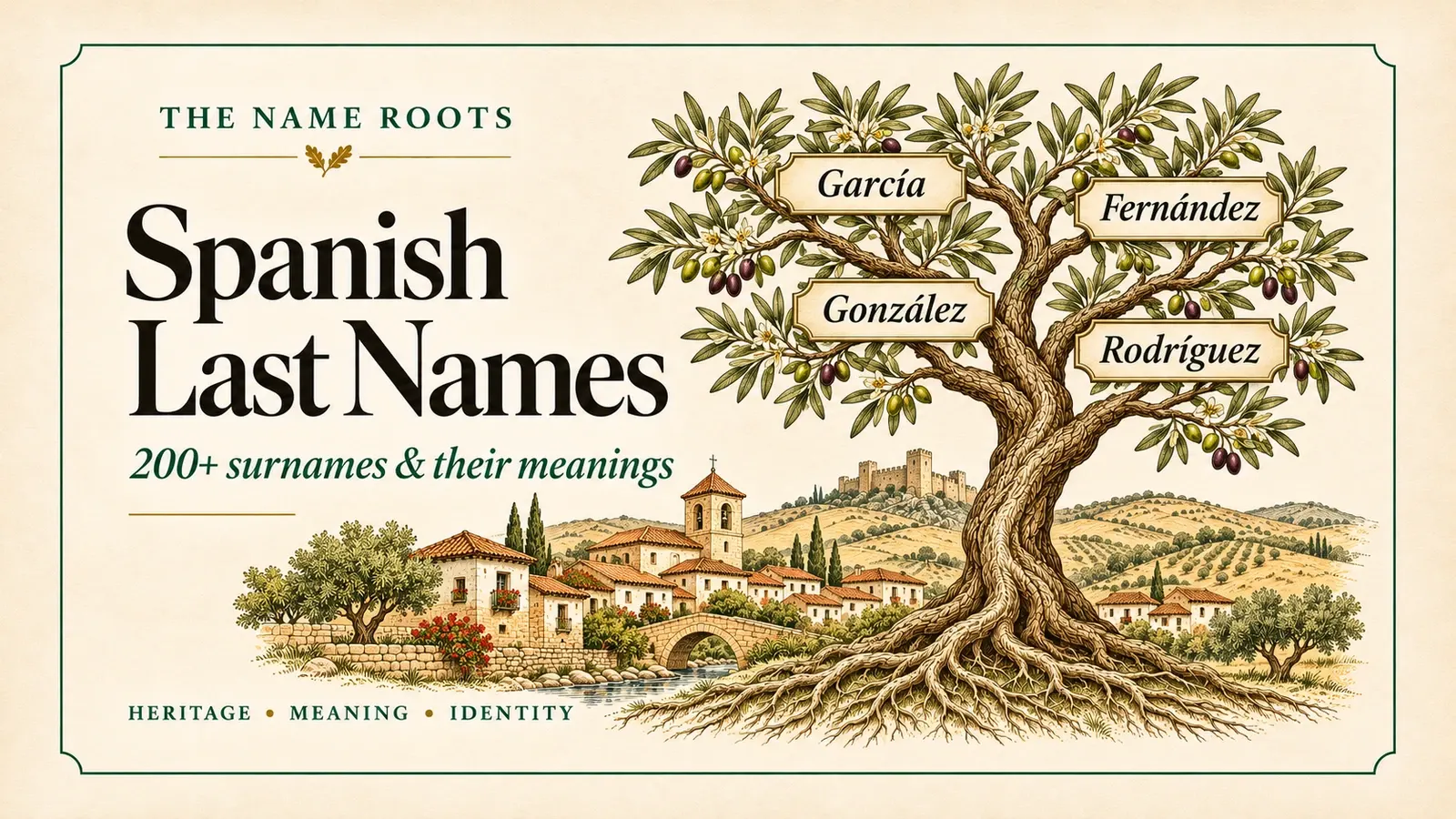
Spanish Last Names: 200+ Common & Uncommon Surnames With Meanings
Explore 200+ Spanish last names with meanings: Spain’s most common surnames, why Spaniards use two last names, what -ez means and why Filipinos have them.